
The Journal
What Is Trail Magic on the Appalachian Trail?
Learn what trail magic and trail angels mean on the Appalachian Trail, and how to help hikers without leaving food, litter or extra work behind on the trail.
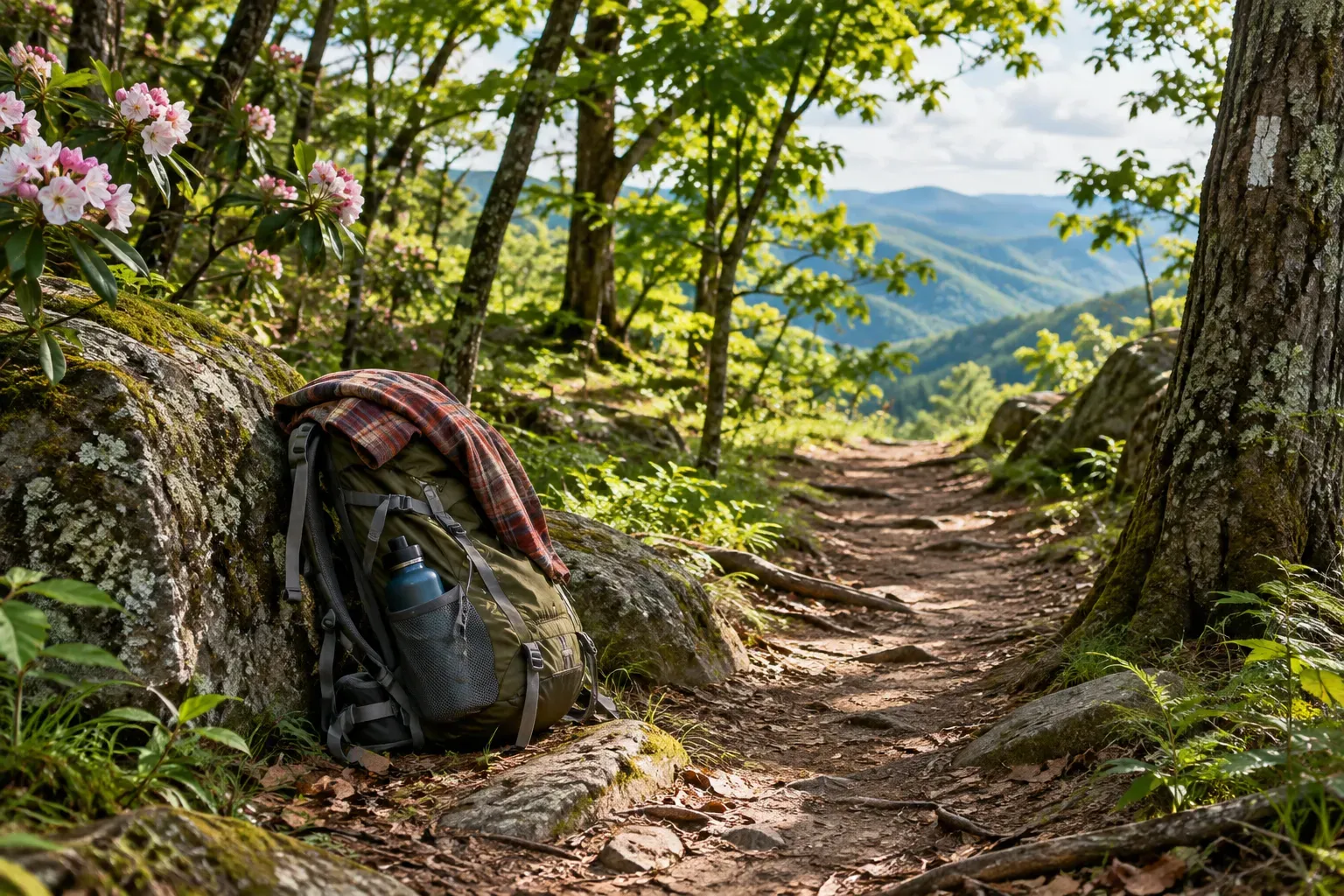
Trail magic refers to an unexpected act of kindness or an unexpected positive experience on the trail. It can be a ride to town, a helpful bit of information, or simply an amazing moment in the woods. The Appalachian Trail Conservancy uses a broad definition of trail magic, and it can include things other than food set out at a road crossing.
The word “magic” can make the exchange seem effortless. Keeping the trail healthy is another story. A cooler left beside the trail can mean a lot of work for a volunteer and a meal for wildlife. An act of kindness toward a hiker should also be kind to the trail.
Who Are Trail Angels?
Trail angels are people who help hikers along the trail. The term is informal and can include anyone who offers help: directions, a ride, a meal or other assistance. Hikers can accept or decline any help that is offered.
Offering help is generous, but a friendly label doesn’t make someone safe. Both the hiker and the person offering help have the right to set boundaries.
Examples of Trail Magic
Unexpected Help
Unexpected help can be as simple as accurate local information or a ride the hiker is comfortable accepting. The best way to help is to ask what is needed. Whether to accept is up to the person receiving the offer.
Food or Water Offered Responsibly
Food and water can be offered responsibly. That means offering it where it is allowed, staying with it, and taking everything away afterward. The ATC warns that unattended food and drink can attract wildlife and leave behind trash that other people have to clean up. The ATC’s ridgerunner guidance explains why even a well-meant cache can create problems.
Encouragement and Community Support
A friendly word can make a difference. A simple offer of help with no strings attached can mean a lot to someone who has been hiking for days. Not every hiker wants the same kind of interaction after a long day outdoors, so let the hiker decide how to interact with you.
A Tradition With More Than One Meaning
The Appalachian Trail Conservancy describes trail magic as a broad range of experiences. A helpful person can be trail magic, but so can an unexpected experience in nature. That distinction lets the tradition continue without the expectation of food at every road crossing. The quiet things a hiker notices on the trail count too.
It’s best to offer help that fits the person and the situation. A hiker might need information about the trail, not food. They might already have arranged a ride, or prefer to hike alone. Ask first. A refusal does not mean the offer failed, and no one owes you an explanation for why they’re hiking the trail.
For anyone planning a group activity, a public road crossing is not a blank space on a map. It may have traffic, private property nearby or parking restrictions. The local club and land manager can explain where an activity is appropriate and whether a permit is required. That conversation is worth having before buying supplies.
When Can Trail Magic Cause Problems?
Unattended Food and Litter
Unattended food and litter can stay on the trail long after the person who left them is gone. Wrappers, empty containers and unused supplies do not remove themselves. A sign inviting hikers to help themselves does not make the person who left the supplies any less responsible for cleaning up.
Wildlife Attraction
Food and other scented items left on the trail can draw wildlife to places where people travel. The ATC asks visitors not to leave food unattended. Follow the local land manager’s rules for food storage and disposal.
Additional Work for Volunteers
Trail clubs and ridgerunners already have plenty of work. Cleaning up abandoned supplies adds another task. Plan to pack out every item you bring.
| Helpful action | Potential problem |
|---|---|
| Stay with an offer and remove all supplies | Leave food or a cooler unattended |
| Ask a local trail club about a suitable location | Assume every road crossing permits a setup |
| Offer help without pressure | Treat a stranger’s offer as something a hiker must accept |
| Join a planned maintenance project | Assume a food handout replaces trail care |
How to Offer Trail Magic Responsibly
Know the rules for the section of trail you are on. Rules on the Appalachian Trail vary from section to section, so a small, attended offer that is acceptable in one place may not be acceptable in another.
Pack out your trash and leftover food. Keep the trail and access points clear, and do not leave containers behind for other people to carry out. Ask before taking photos of people on the trail or sharing information about them.
A Trail Angel Checklist
- Check the local land manager’s rules and any permit requirements.
- Contact the local trail club about useful, appropriate help.
- Stay with supplies and keep the path and access clear.
- Offer without pressure and respect a no.
- Remove all food, containers and waste when you leave.
- Consider a scheduled trail-work day or donation as another way to help.
Plan for What Is Left Over
Before you start, think through the end of the day. Who will pack out the wrappers and containers? What will you do with unused food? How will the group check the area for trash before leaving? An attended offer makes these questions easy to answer. It also lets you respond if a location becomes too crowded or a land manager asks you to move.
Do not expect trash cans on the trail, and do not expect maintainers to carry out your leftover food. Pack the means to remove everything you bring, and keep food secured from wildlife at all times. The ATC’s ridgerunner advice points out that abandoned supplies shift the work to the people whose job is to look after the trail.
Local rules may address food storage, parking, gatherings or commercial activity. This guide cannot give permission for a specific site. Contact the land manager and the club caring for that section and follow their current instructions.
Safety and Boundaries for Hikers and Helpers
As with any offer from a stranger, hikers should use good judgment. Accepting a ride to town or a place to stay is a personal decision that can be declined, reversed or changed. Hikers should share their plans with a friend or family member before setting out, and check the ATC’s current safety guidance.
Helpers have boundaries too. A helper can explain what they are offering and what they cannot provide. Hikers do not have to tell their story, pose for a photo or give anything back in order to receive kindness.
Trail Magic vs. Trail Maintenance
Trail magic can be a lot of fun. Trail maintenance is different: it is planned work that keeps the trail in good condition, and it is the focus of the ATC’s stewardship campaign. Local trail clubs and their partners work with land managers on all kinds of projects, and even hikers help by protecting a muddy tread instead of widening it. Ask about the training, tools and permissions needed for any project you would like to help with.
Frequently Asked Questions
Can anyone be a trail angel?
The term is informal. Anyone can offer help, subject to local rules, and the person receiving an offer can say no.
Is leaving food on the trail helpful?
The ATC warns against leaving food unattended on the trail because it can attract wildlife and create litter for others to clean up. Where offering food is allowed, stay with the supplies and remove everything afterward.
Is trail magic only for thru-hikers?
Kindness can be offered to anyone on the trail. Ask a hiker what they need rather than assuming based on their trip.
Do you need permission?
Rules depend on the land and the activity. Check with the land manager and local trail club before setting up.
What do trail maintainers recommend?
The ATC’s ridgerunner guidance asks helpers to consider wildlife, waste and the people responsible for the trail. Local clubs can explain the needs of a particular section.



Comments