The Journal
First Trail Run
Planning your first trail run? Pick a short, familiar route, check conditions, pace by effort and pack the right gear for a safe start.
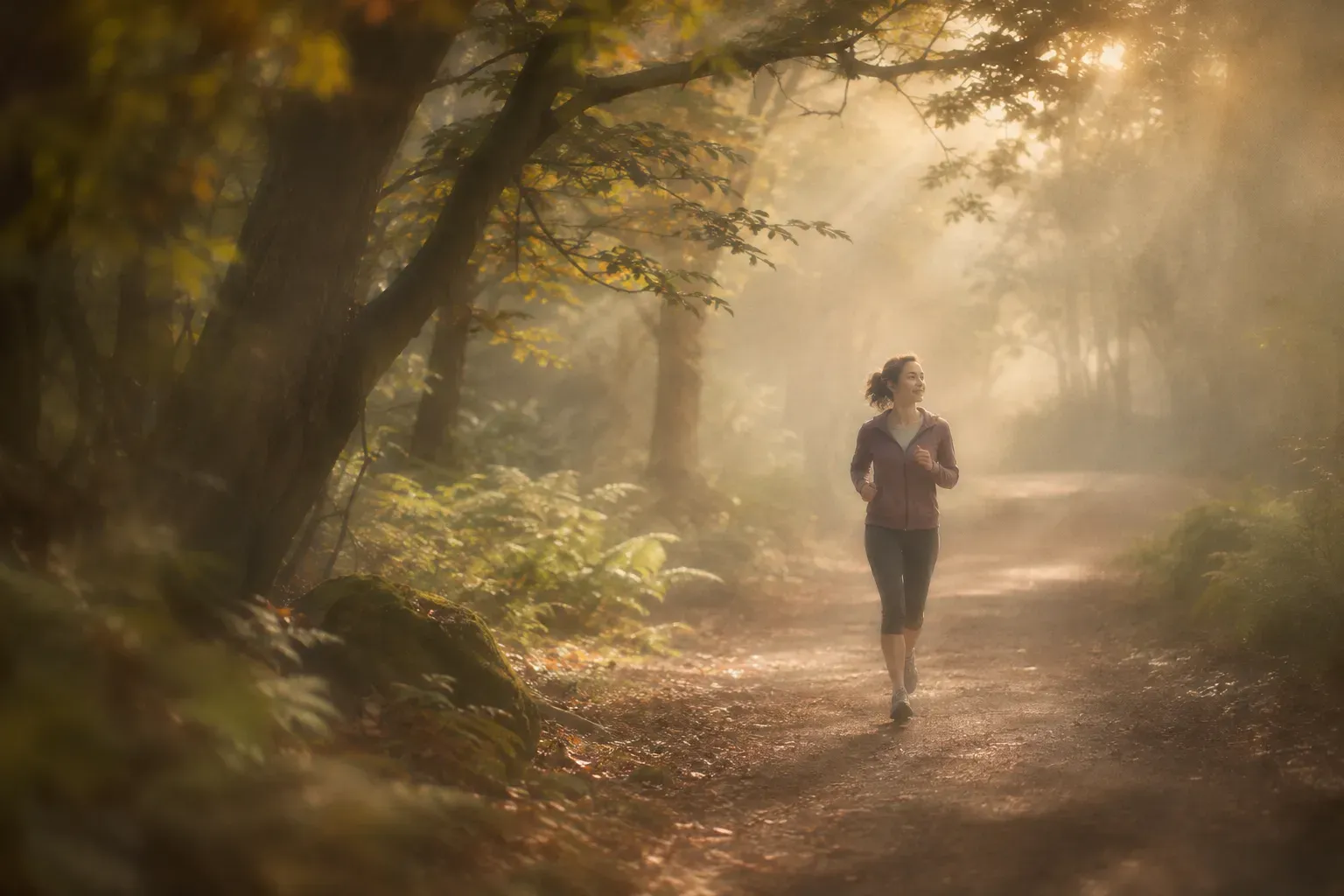
A first trail run can be very short. There is no need for a big mountain race or even special clothing for your first time on the trail. All you need is some ground to pay attention to.
Choose a Short, Familiar Route
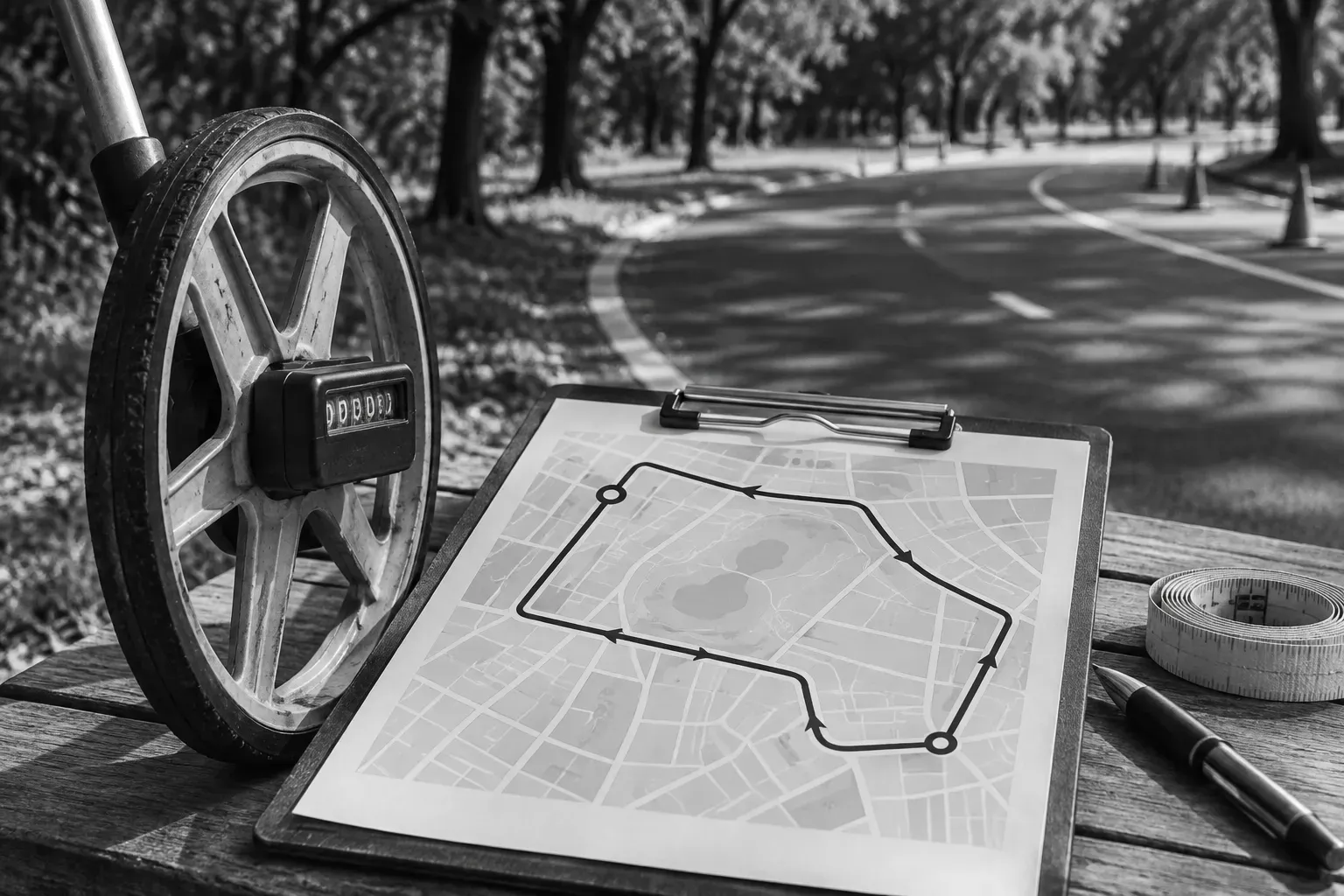
Keep your first run short and pick a path you are already familiar with. This can be a short out and back on a well maintained path or even a short loop. Make sure the return on a loop is on the same path and there are no shortcuts to other trails that are open to the public. Let someone know where you are going and when you expect to return. Let them know when you have returned as well.
Check the trail description for more than just distance. Does the trail have a steep climb, exposed section or stream crossing? Look at the elevation, surface and duration of the trail as outlined by the park. Check for any current closures as well as current weather information. A trail that was mapped out may have been covered in snow, mud or had a bridge wash out since it was printed.
Pace and Footing on the Trail
Keep an eye out for roots, stones, and changes in the surface of the trail. Your pace will vary more on a trail than on the road, and your road pace is not going to work on most trails. This is good information to have, not bad. Run the sections of the trail where you feel most confident with your footing and walk the more difficult sections. Steep climbs are good places to take a walk break. On the descents slow down before the ground starts to slope away. Shorter steps will allow you to react more quickly to roots and loose stones on the trail. Trail conditions can change with rain, mud, and loose rock on the trail. If the conditions are outside of your experience, turn around and find another trail to run.
Keep your eyes on the trail in front of you instead of on your watch. Roots, rocks, steps and other runners are often close together. Keep enough distance between you and the other runner so that you can see where they are on the trail. If you need to look at a map or read a message on your phone, then stop in a safe place to do so.
What to Wear and Carry
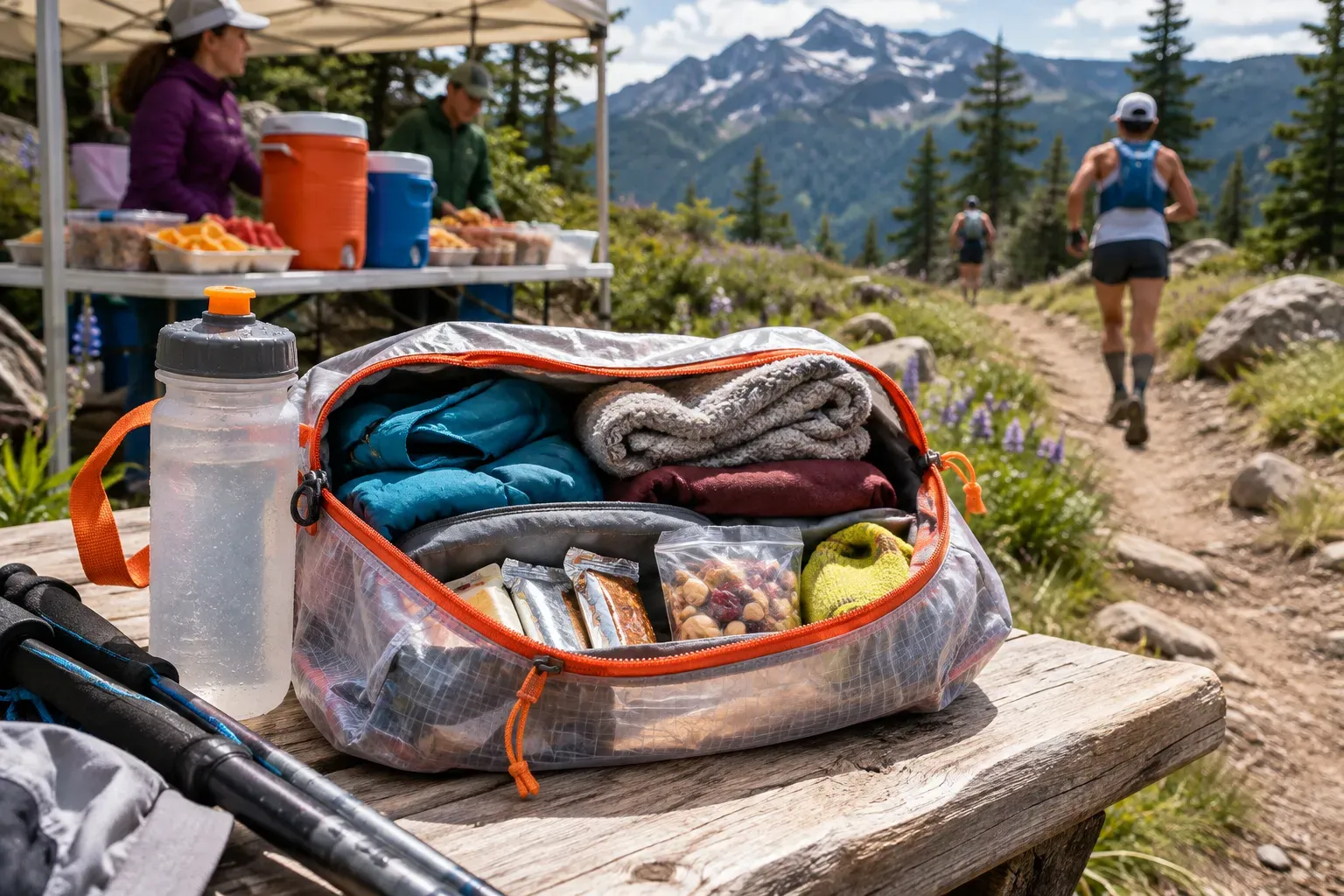
Comfortable closed shoes with good tread on the ground are the most important thing. Trail running shoes can help with grip on some surfaces but no tread makes wet rock slip proof. Your supplies will vary depending on the trail that you are running and the conditions. You will need water and a means to navigate. Food, sun protection, a light, rain gear and warm gear are also needed for the trail and conditions.
A remote trail may require you to plan for delays and have a means to signal for help in case of emergency. A phone is great but service and battery life are not guaranteed so download a map to your phone and know how to use it as a backup. The National Park Service Ten Essentials is a good starting point for more remote and longer runs.
Trail Etiquette
Be courteous to other trail users and follow the local rules for sharing the trail. Yield to others on the trail in accordance with the rules posted for that trail. Slow down before you pass other trail users and give them a friendly warning before you pass from behind. Stay on the established trail and avoid taking shortcuts down switchbacks. If a trail is muddy then the park may ask you to stay off of that trail and go somewhere else. Give wildlife plenty of room and follow the park’s rules regarding dogs on trail.
After Your First Trail Run
Keep your first trail run shorter than what you would normally run on the smooth road, so that you can finish with energy to spare. A walk break is always good on the way out and on the way back. This will give you a chance to see how different surfaces, hills and weather can feel on the trail and you can plan your next run with this in mind. Remember to allow for recovery after your run and to monitor for any pain that persists.
Note what worked well on your first run on the trail. Did your water supply last? Did you know where you were going on the trail? Did your shoes rub on parts of your feet? Did you find that you were going too fast on the descent? These are all things that are useful to know when planning your next run on the trail.
Comments