The Journal
What Is parkrun and How Does It Work?
Learn how free weekly parkrun 5K events work, how to register and use your barcode, and why walkers, joggers and first-timers are all welcome.
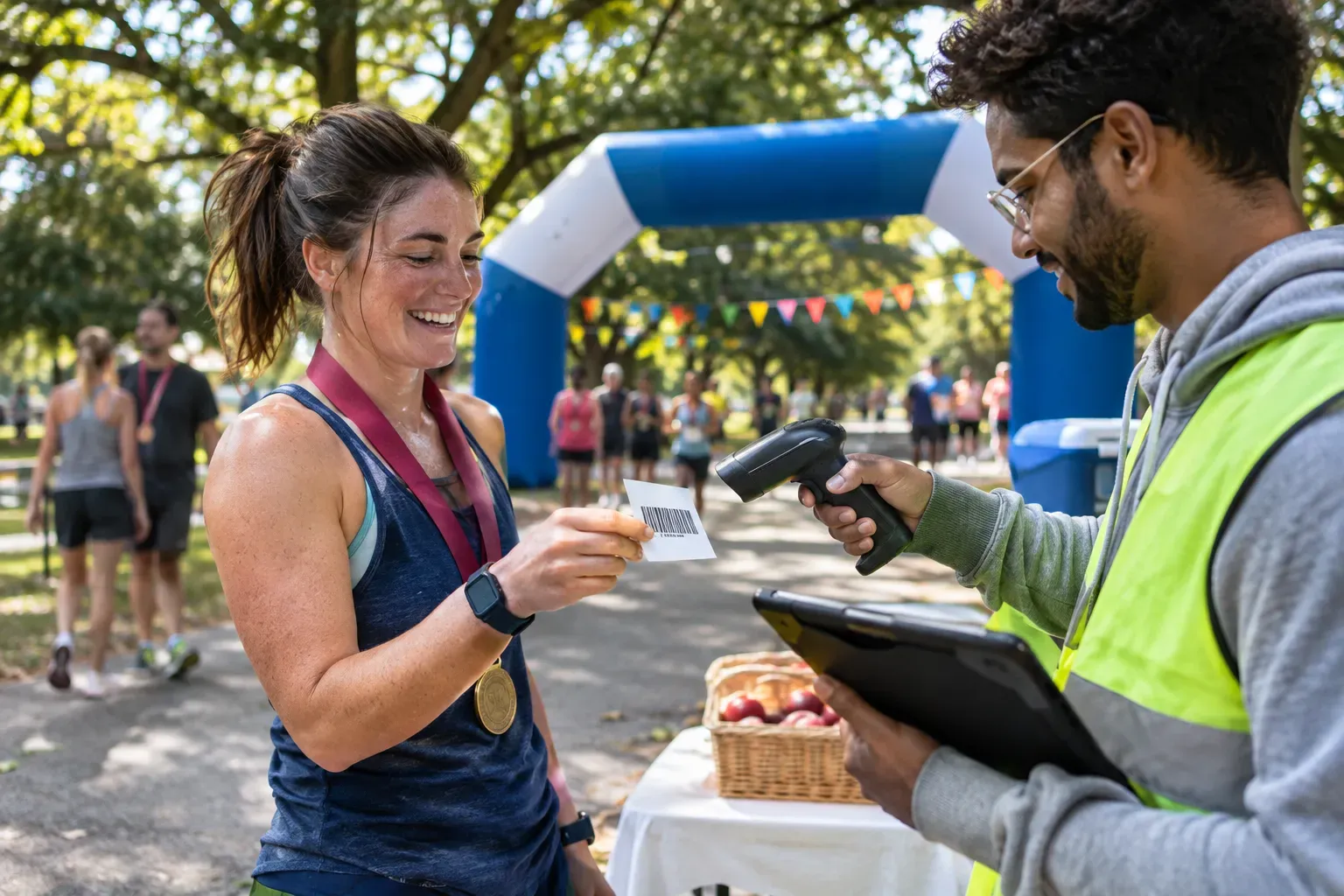
parkrun is a free, volunteer-led community event where people walk, jog or run a timed 5K. Most events take place on Saturday mornings. You register once, bring your personal barcode and choose an event to attend. You do not need to be fast to belong there.
The parkrun volunteer handbook describes the shared start, finish token and barcode scan. Local courses and start times differ, so read the page for the event you plan to visit.
Is parkrun Really Free?
Yes. parkrun events are free to enter. Volunteers set up the course, time the participants and process the results. No money is required to take part: you do not have to buy a T-shirt or make a donation.
The free event is separate from costs outside the event, such as travel and equipment. Check the local event page for details such as parking.
How to Register for Your First parkrun
One-Time Registration
Register with parkrun before you attend your first event. You will then receive a personal barcode that can be used at any future parkrun event. The Mace Ranch parkrun guide from UC Davis walks through the one-time registration.
Barcode and Results
Bring your personal barcode on the day. At the finish line you will be given a position token. Volunteers scan your personal barcode and then the position token to link you with your finishing position and time. Return the position token to the event team, as it belongs to the event.
Check the current official barcode guidance on the parkrun website before you leave home. If your barcode cannot be scanned at the finish, speak to a volunteer and ask about the current policy on adding results after the event.
Finding an Event
The parkrun US event finder lets you search for events. Click through to the local event page for the meeting point, start time, course description and any cancellation notice.
Making the Barcode Work for You
Register in your own name and make sure you can reach your barcode at the finish. Check the official instructions for accepted barcode formats. The participant code of conduct states that a scannable barcode is required to record a time. The barcode and the token serve different purposes: the personal barcode identifies you, and the token identifies your finish position.
The token is used again the following week, so hand it back to the volunteer at the finish rather than taking it home as a souvenir. If there is a queue, follow the volunteers’ instructions and join it in order. The process is easier to understand once you have seen it, and nobody needs to know every step before their first morning.
If you don’t want to appear on the results list, speak to the local team on the day to ask how to pass through the finish funnel. The published rules, not a promise from another participant, determine whether a missed scan can be corrected.
Can You Walk Instead of Run?
Yes. parkrun events are for runners, joggers and walkers. You don’t have to alternate running with walking to be recorded as a participant. A volunteer tail walker follows at the back of the event, and the official handbook says participants finish ahead of the tail walker.
Ask the local team about the course. Surfaces, routes and facilities differ from one parkrun to the next, and they help determine whether a particular event suits you.
What Happens on Saturday Morning?
Arrival and Briefing
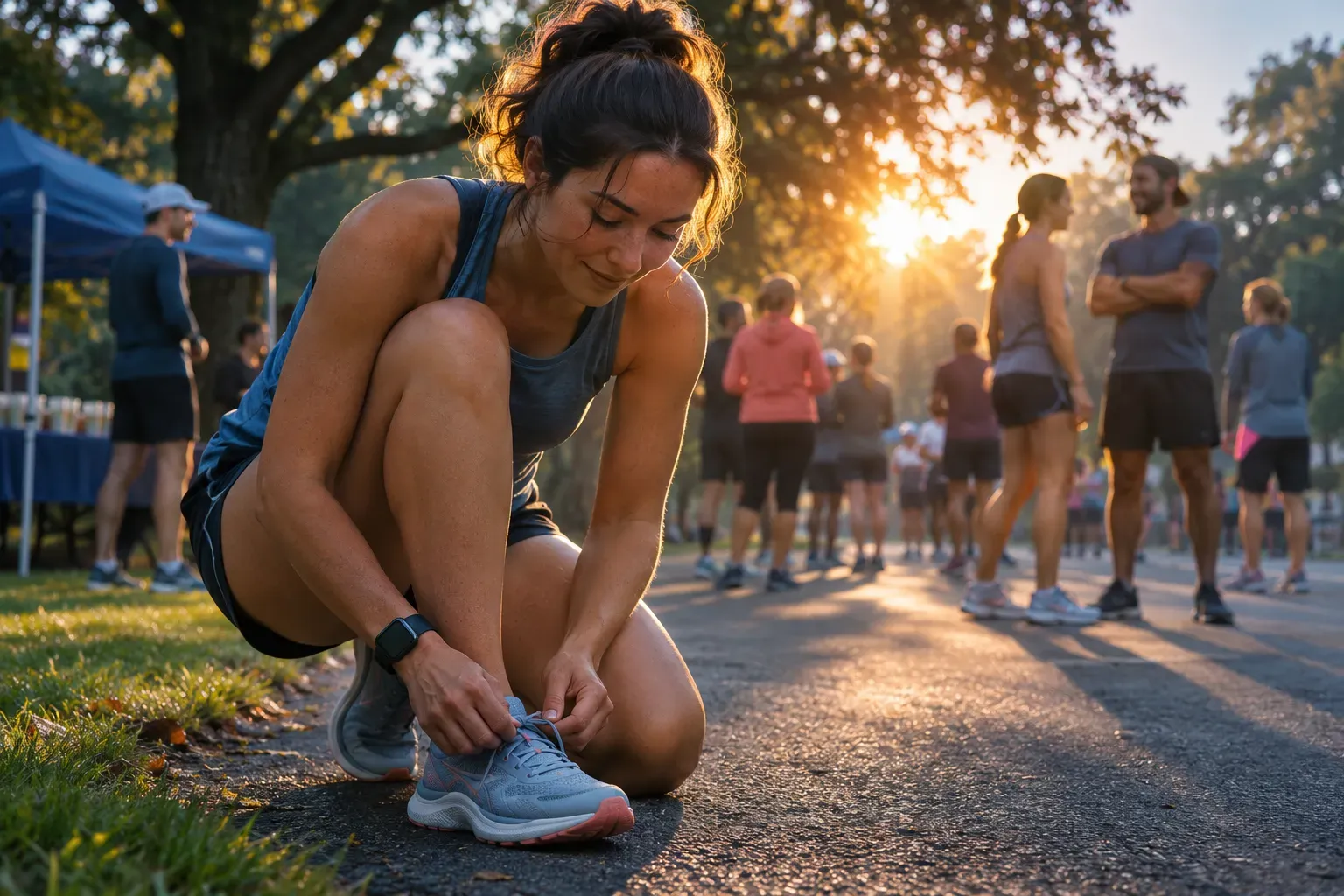
Arrive in good time to find the meeting point and hear the pre-event briefing. Some events have specific information for first-time participants, and it can help to let the volunteers know you are a first-timer.
Start and Course
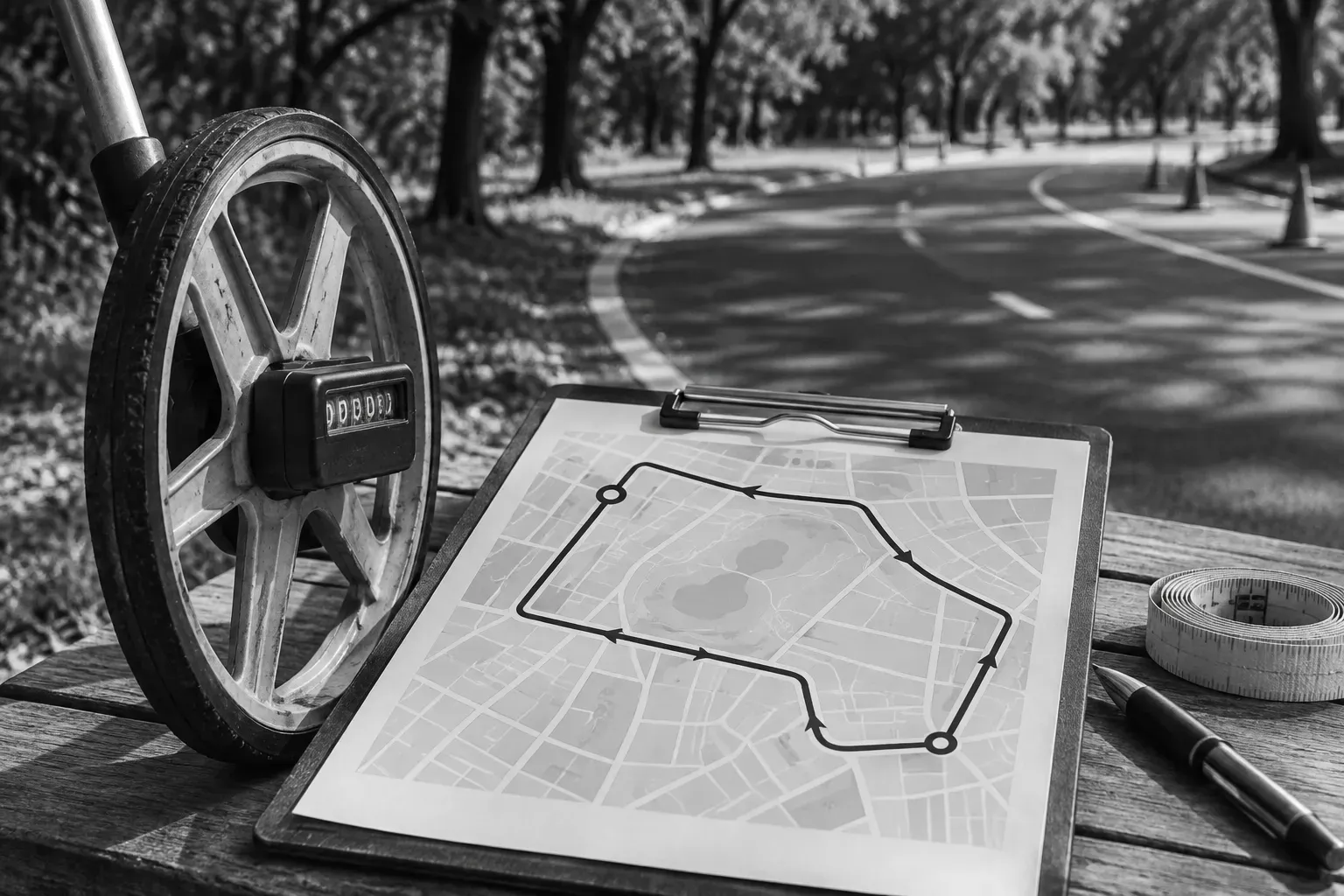
The event starts at the published time and everyone starts together. The course is a 5K route that can be one lap or several laps of the park. Follow the local team’s instructions and give way to other park users.
Finish Funnel and Results
After you cross the finish line you receive a position token, which is scanned with your personal barcode and returned to the event team. Volunteers process the results, and once the barcode process is complete, your timed result is available through parkrun.
Can Children, Dogs and Strollers Participate?
Children and families are welcome at many events. The parkrun 5K code of conduct states that children under 11 must be accompanied by an adult and stay within arm’s reach of that adult at all times. Dogs are permitted on a short lead, one dog per person, in line with parkrun’s dog principle and local event rules. A course may not suit a stroller or wheelchair. If you are planning a walk with kids or older family members and the course description does not answer your accessibility question, contact the event team.
Choosing a Course That Suits Your Morning
Each event page includes directions to the start and a description of the course. It will say whether the course is grass, gravel or paved, and note any route variations used from time to time. A course that suits a stroller or mobility aid on one route may not suit it on another.
If you need a particular surface or facility, ask the local team in advance about the surface, parking, toilets, gradients and path width. The people who know the course can give a better answer than a general description of parkrun. A cancellation notice can arrive close to the event, so look again before setting out.
Friends and family can attend together even if their paces differ. Decide where to meet after the finish. Each person who wants an individual result needs their own registration and barcode. Your first visit can be a walk from start to finish, a jog, or a volunteer morning.
How Does Volunteering Work?
Volunteers time participants, scan barcodes, hand out finish tokens and help people follow the course. The local team can explain each role and how to sign up. Some roles let a person take part in the 5K as well as volunteer; ask about the role and its timing first.
You don’t need to be an experienced runner to volunteer at parkrun. A volunteer morning is a good way to learn how the event works, and it helps the event keep going. Like a local walking club, it can also be an easy way to meet people nearby.
parkrun vs. a Traditional 5K Race
| Feature | parkrun | Many traditional races |
|---|---|---|
| Price | Free participation | Often an entry fee |
| Frequency | Weekly when the local event is held | Often a single scheduled date |
| Timing | Timed 5K with barcode and token | Timing method varies |
| Registration | Register once with parkrun | Usually register for each race |
| Atmosphere | Community participation at different paces | Varies by event |
Traditional races vary a great deal. Check each organizer’s terms instead of assuming every paid race works the same way. If you want to try one, our guide on how to pick your first 5K or 10K covers what to look for.
A First-Visit Checklist
- Register and bring an accepted personal barcode.
- Open the local event page for its start time and meeting point.
- Check the course surface, weather notice and any cancellation.
- Wear comfortable clothing and footwear suited to the route.
- Arrive early enough to hear the briefing.
- Collect and return your finish token as directed.
A Sample Saturday Timeline
The local event’s start time anchors your morning. Check the event page before you leave home. Arrive early, hear the briefing, walk, jog or run the course, have your barcode and finish token scanned, and allow time afterward for results to be processed. This sequence is illustrative; each local team sets its own briefing arrangements.
Frequently Asked Questions
Do I need to be fast?
No. Walking, jogging and running are all welcome.
Can I walk the whole route?
Yes. Check the course description to see whether its surface and terrain suit you.
Do I need special equipment?
Bring your barcode and wear suitable clothing and shoes. Check the local page for course-specific considerations.
Does parkrun use age grading?
parkrun publishes an age-graded percentage with results. Our guide to what age grading in running is explains how to read it.
Is every parkrun the same?
The core 5K and finish process are shared, but courses, start times and local conditions vary.
What happens in bad weather?
An event can be canceled. Check the local event’s current notices before you travel.

Comments