
The Journal
Planning a Walk With Kids or Older Family Members
Plan a walk with kids or older family members: choose the right route, build in breaks, pack the right supplies and set a pace everyone enjoys.
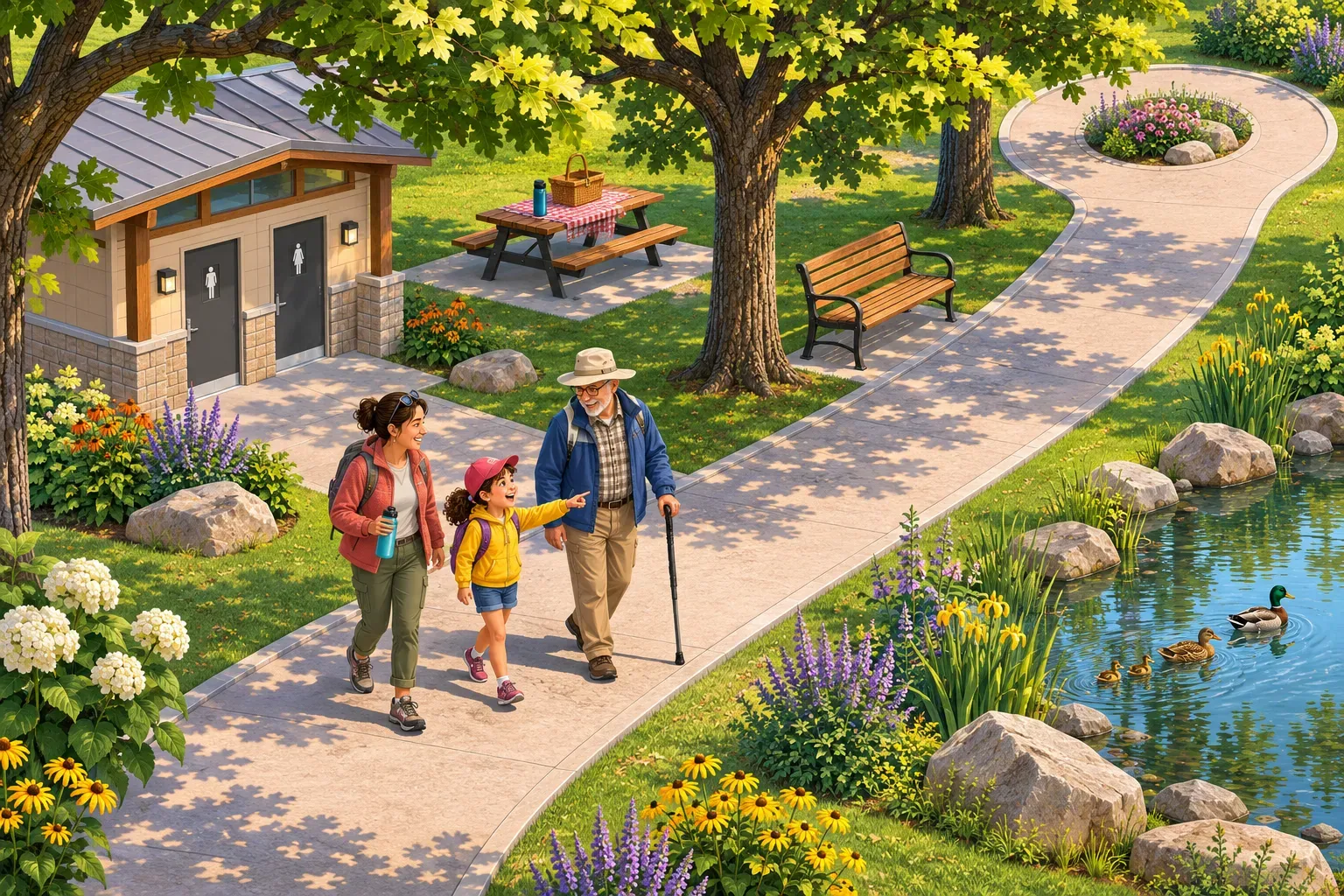
By asking everyone what makes a good walk, what distance they would like to cover and what support they would need for the walk, you can plan a family walk with kids or older relatives that works for everyone.
Ask Everyone First
Start the conversation about a walk before deciding on a location. Ask everyone what makes a walk enjoyable and what they would like to avoid. For example, some people like to sit along the way, some people need a lot of space for a stroller, and some kids just like to look for interesting things along the way. Don’t make assumptions about people’s needs based on their age.
Choose a Route That Fits the Group
Choose a route for the people coming on the walk, not for the strongest walker. Look beyond the word easy for information about the actual distance, the slope, the surface and width of the path and any steps along the way. Ask the park about accessible parking, restrooms, benches and any barriers that may exist for someone with mobility issues, and check current conditions of the route (e.g. rain, construction, locked gates, etc.). For the details behind an accessible trail label, see what a wheelchair accessible trail means.
Distance for the route should include the return journey and the distance from the parking or transit point to the start of the walk. A short out and back walk is ideal for most as it allows everyone to turn round at any point. A loop is good for a longer walk but ensure there is a safe return route for anyone who tires. Plan a pace that allows for rest, for conversation and for the slower sections of the walk. Set a turnaround point before anyone gets too tired.
Plan Breaks and Turnarounds
Incorporate breaks into your outing. Choose locations along your route for rest, refreshments or for sightseeing. Ensure that facilities such as benches are accessible for the person needing them. A location with a picnic table near the start of the walk could be used as a destination in itself. Others may want to extend the walk further and can do so as an option and return to the group when they have completed the extended section of the walk.
A short loop around a picnic area is also good for children to explore on their own and for other family members to rest. Ensure enough time for stops, for snacks and for the return. Agree on a meeting point and make sure children are supervised at all times within the boundaries of their age and the location.
Supplies and Equipment
Pack for the people and the place. Water, snacks, sun protection and extra layers of clothing for the expected weather are a good start. Include any personal medicines, as well as items that may be needed for changing, such as a diaper change. Keep items that are used frequently within easy reach, not buried at the bottom of a bag. Strollers, mobility aids and walking poles will need to be suitable for the surface and width of the path, so check these before you leave home. For a longer or remote outing, include a map or other navigation, a light and any other emergency supplies that may be needed in that environment. Let someone outside of the group know where you are going and when you expect to return.
Walking With Kids
Set simple boundaries with children at the start of the walk and agree on jobs based on their age, such as spotting the next marker, choosing a place for a snack or looking for birds from the path. Keep children under close supervision on roads, near water and on steep slopes. Children who want to stop and examine things on the path are participating in the walk so the group doesn’t have to cover much ground for everyone to have a good day.
Walking With Older Family Members
Ask older relatives how they would like to walk, i.e. at what pace, on what surfaces and with what rest stops. Some will want to do a long walk and others a short walk. Do not speak for people who are able to speak for themselves. Ask people with mobility aids to check the route before the walk and to tell you whether it is suitable for them. Older relatives can set the pace of the walk and suggest places to stop. Do not assume that they need to be at the back of the group.
Check Conditions and Have a Backup Plan
Check weather for the day and check the park’s notices for any current problems before you leave. If there is heat, ice, poor air quality or any other reason why the park is not suitable then make an alternative plan for the day, such as a short visit to the park and then to go somewhere indoors for the rest of the day. A shorter park visit, or even an indoor outing, can still provide quality family time.
After the Walk
After the walk ask everyone what was good and what was bad about the walk. This will give you ideas for future walks that people will want to join. For example the path was smooth but the toilets were too far away, or the walk was comfortable but we didn’t have enough time to look around.
Once the walk is over the aim is for everyone to have enjoyed themselves and to be able to return home safely.


Comments