
The Journal
How to Pick Your First 5K or 10K
Choosing your first 5K or 10K? Compare distances, course types, cutoffs, costs and race day logistics before you sign up.

There is more to choosing your first 5K or 10K than just the distance on the registration page. Consider the route, the time limit for finishing and how you will get back to your starting point.
Pick a Date You Can Train For
Choose a date for your first race that will allow you to train on a regular basis for several weeks before the event. Also, take into consideration how your current schedule can accommodate training for a race. Look at the beginner plan for running a 5K and then determine whether the first few sessions of the plan would be appropriate for you to start now. If not, then consider other races of similar distance that are held on other dates or even races of shorter distances.
5K or 10K: Which Distance First?
A 5K is approximately 3.1 miles and a 10K is approximately 6.2 miles, but the two distances are more than just numbers on a race bib. The longer distance of the 10K will require more time on your feet and managing your pace, the weather, and taking walk breaks during the race. As a beginner to running or returning to the sport after some time, the shorter distance of a 5K would be better as it allows for gradual building of miles, and it can be a great first race for someone who wants to work up to running a 10K in the future. A 10K would be suitable for someone with a solid base of running and plenty of time to train, or who is already running similar distances on a regular basis.
Read the Course Map
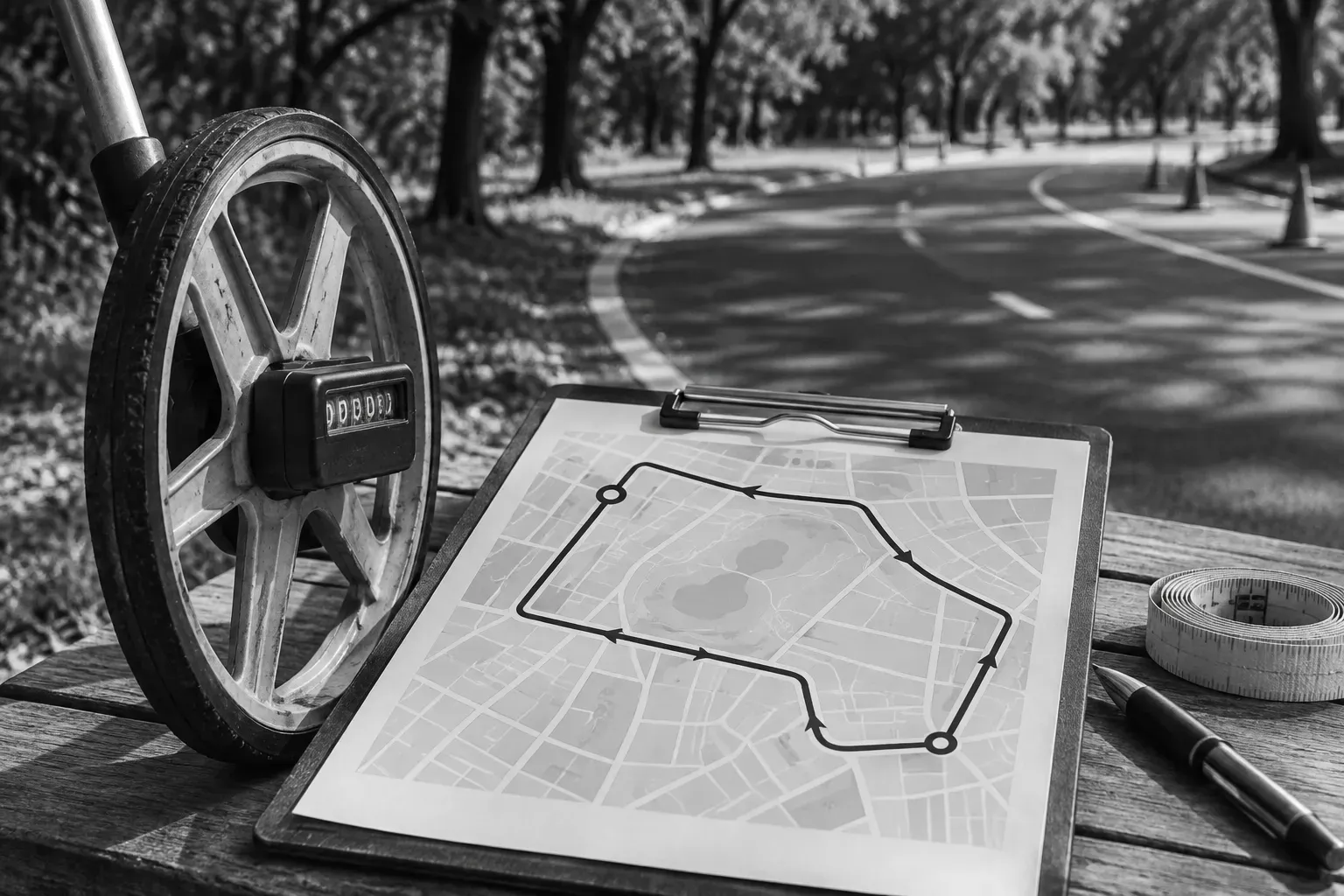
Look closely at the course map. An out and back route returns along the same path. A loop starts and finishes near the same area but covers different ground. A point to point course has separate start and finish locations. None is automatically better. Think about where a friend can meet you, where your belongings will be and how you will get home after the finish.
The terrain can also be a factor to consider in addition to the distance. For example, a course with numerous hills can be more physically demanding than a flat course of the same distance. The surface of the course also needs to be taken into consideration, for example, is the course on pavement, gravel or a trail? Are there narrow sections of the course? If possible, it is good to go for a run on the public parts of the course before race day. Make sure you adhere to normal rules of access and do not assume that because it is race day there will be traffic control.
Time Limits and Cutoffs
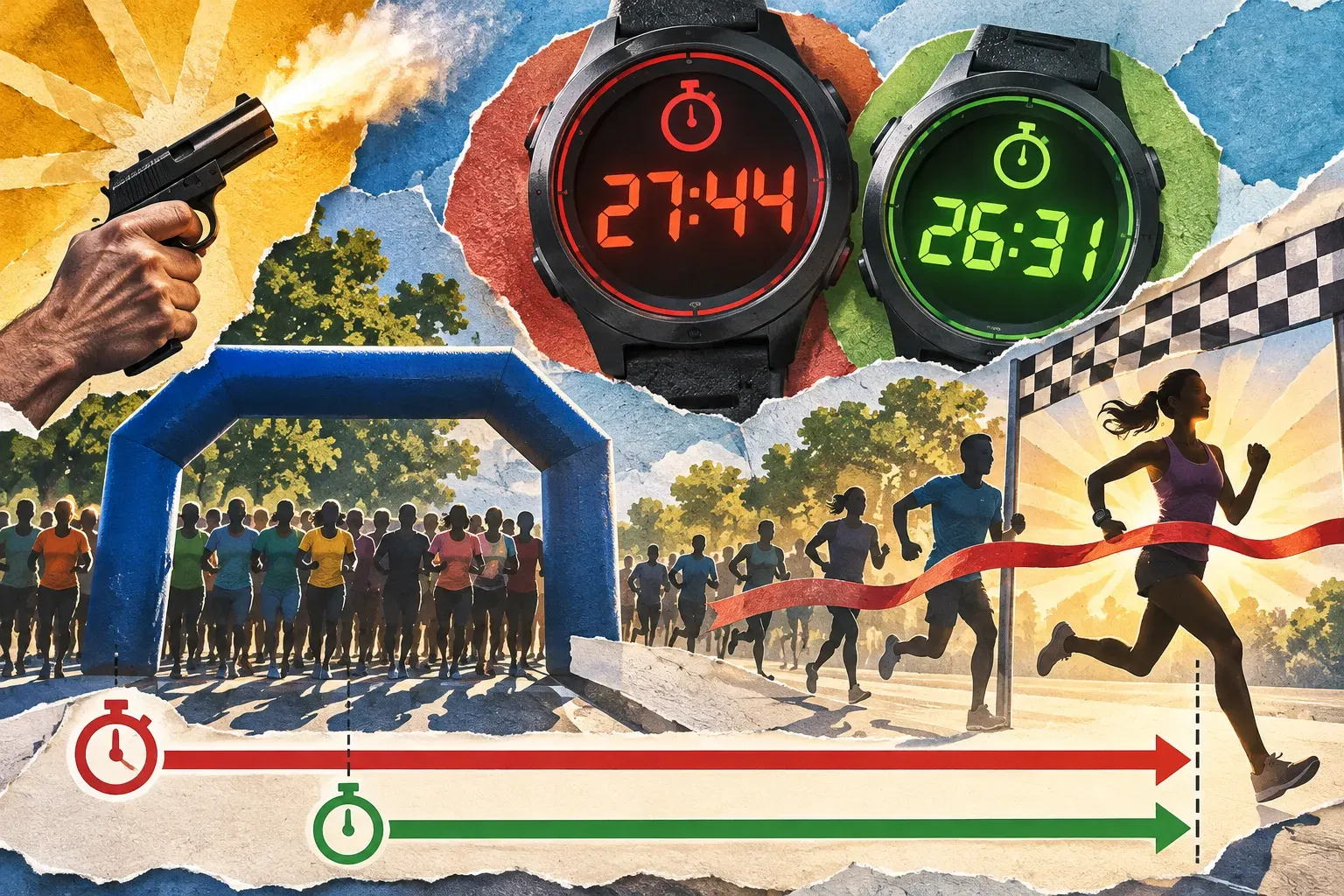
Are there limits on the finish time for the event and are there also limits on parts of the course? Time limits can be restrictive and there can be multiple cutoff times on different parts of the course. Some events allow for walking during the event and can have planned walk breaks but roads will be reopened in stages, so check the rules for the distance that you are entering rather than assuming that the whole race will have the same cutoff. Find out if the published time limit starts with the first runner or with the last runner to start. It is important to work out your expected pace and allow for extra time for things such as hills, water stops and the start. If you are using a mobility aid, stroller etc. then find out what the policy is for these and what help is available.
Costs and Refund Terms
There may be additional fees for processing, parking, transport, and extra goods and services. Read the transfer, cancellation and refund terms and conditions before you sign up for any race. Many events support charities, so check whether there is an expectation that you raise money for the charity in addition to paying the entry fee.
Race Day Logistics
On the morning of the race find out the packet pickup times and locations, the start location of the race and the recommended arrival time. Also find out the bag policy for the race and the locations of the toilets on the course. If it is a point to point race find out if there is a shuttle service to the start and if you need to prebook a space on it. Make sure you know where you can leave your belongings and where you can meet friends and family after the race.
Event Size and Atmosphere
Think about the atmosphere that you would like on the day of the race and how it will make you feel. A large event can provide lots of company of all levels of ability but can be very busy with crowded public transport and long delays at the start. A smaller event may be low key and simpler but can have fewer services. Read the information from the organizer and look at previous results to try to get some idea of the size of the field. Consider if the event has facilities for people with disabilities and if so what they are and confirm with the organizer.
Get Ready for Race Day
Practice as many of the details of the event as possible. Use the shoes that you have been running in and the walk breaks that you have been using in your training. Allow plenty of time to get to the start of the race. Read the final notice from the event organizers with details of any last minute changes to the weather, course etc.
Choose a date and a race that is compatible with your current running plan and allowing for missed sessions due to illness or other reasons. Speak with your doctor, physiotherapist or other health care professional if you have recently been injured or have any concerns with returning to running.

Comments