Leave Room for an Ordinary Beltline Walk

I want unhurried walkers to feel welcome on the Beltline without pretending to train for something. I want faster users to have room too. Reading the trail etiquette can help people share the space at different paces.
The Beltline’s official etiquette page asks slower users to stay on the right side of the path and for groups of walkers to move in pairs side by side. It asks people who stop to step off the trail. These rules are useful for an ordinary walk. You do not need an event entry or a particular pace to understand them.
Keeping right makes movement easier to understand. A faster person should not have to guess which way a group will spread. A slower person should not have to hurry for every approaching user.
Walking with someone can be part of the pleasure. The guidance to walk in pairs allows company without taking the entire width. A group can discuss how to share the path instead of assuming others will walk around it.
A conversation, rest or look at something can be part of a walk. The page asks people to take that pause out of the trail’s travel space. That leaves room for stopping without asking others to accept an obstruction.
This article does not identify a specific resting area or certify a particular surface. Look for an appropriate place to pause, and pay attention to your surroundings.
Passing is another convention of sharing the trail. The shared use page says to pass on the left and to give an audible warning of your intent to pass. This warning can be a simple “Excuse me” or “I’m on your left” and should inform other trail users of your intent. It does not give you permission to ignore the rule of reducing your speed in very crowded areas of the trail.
The crowding instruction is one reason I do not think of the path as a private workout lane. An ordinary walker deserves consideration in the decision about pace.
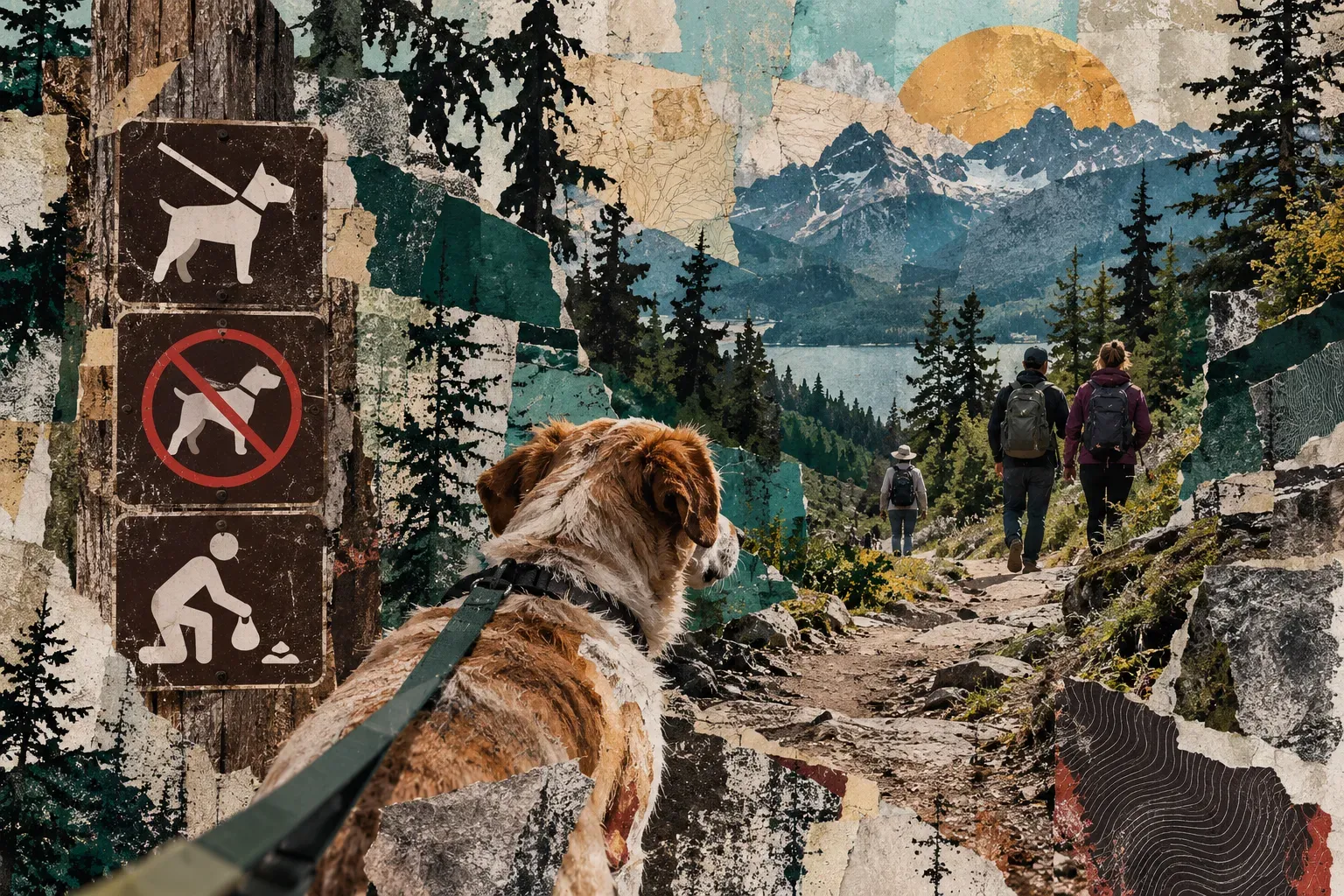
The page asks users to remain alert, leash pets and dispose of litter properly. It asks that parked scooters and other devices stay off the trail. The published rules are enough to discuss the shared responsibility.
That is much more welcoming than saying “I don’t want to be bothered by slow walkers.” The rules of etiquette for sharing the trail are there for users to follow, so that they can use the space in consideration of others. These do not have to be learned in secret and then users can make excuses for their behavior.
The Beltline page describes emergency response mile marker signs on light poles. It does not establish that every point on a planned route has a marker beside it.
I have not checked construction or access for a particular segment. The etiquette page does not assess accessibility for an entire outing. Use current visitor information for those decisions.
There is still a complete idea for a walk here. Choose an outing using current information, keep to the shared conventions and leave room for a comfortable pause. The purpose can be company, ordinary movement or time outside. It does not need the structure of a race to deserve a plan that respects everybody using the path.
I would bring the same consideration as a walker or a runner. Neither label grants priority over others. The useful questions concern where I move, how I communicate a pass and where I stop.
My next step would be to read the current visitor information for the segment that I want to use and keep the etiquette page in mind. Then, enjoy a modest walk, understand the shared space, and make my movements considerate of others. There is room for an ordinary outing on the Beltline if we leave room for each other.


Comments