An Invitation Should Leave Room for a Quiet Start
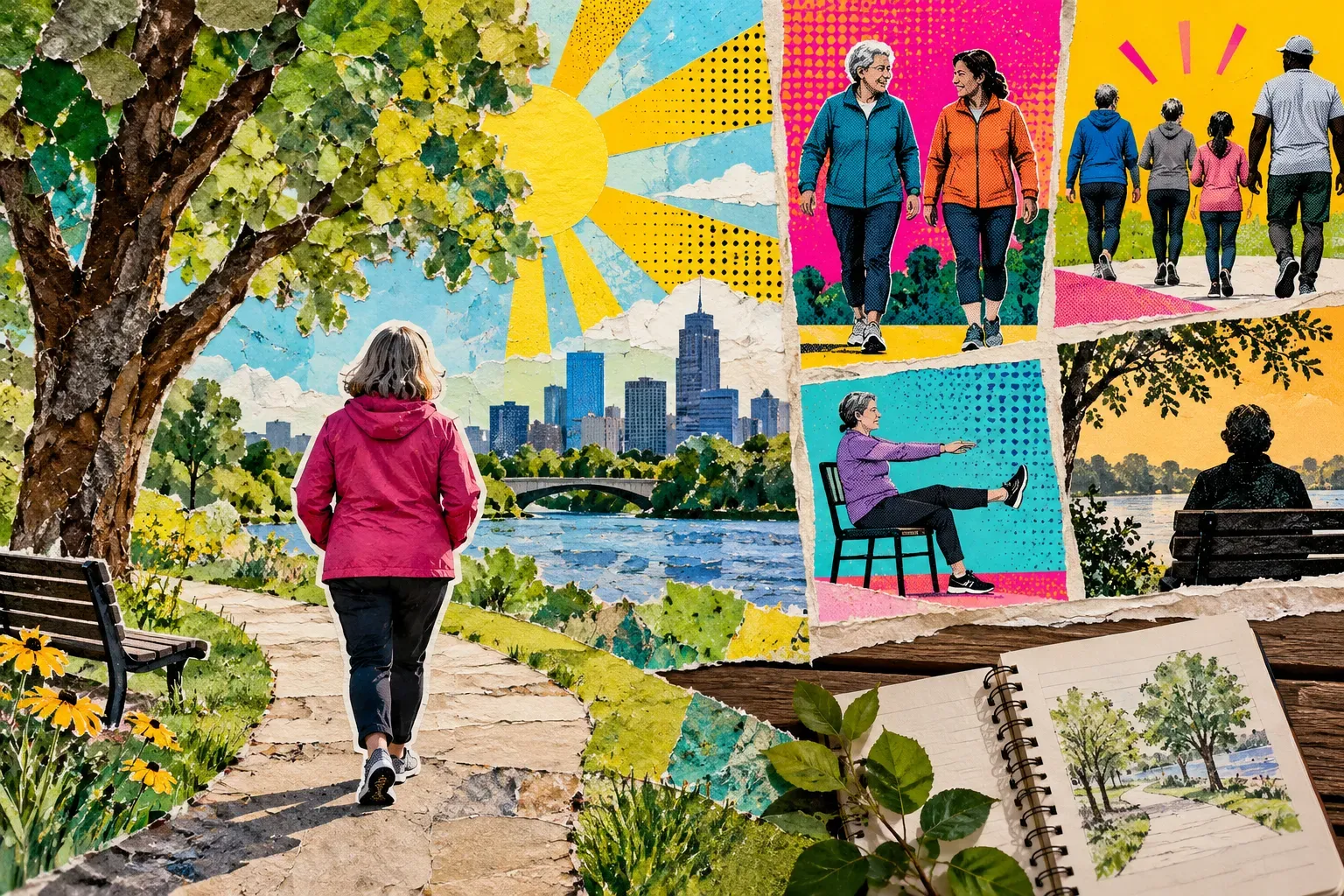
I like the idea of a day that invites people to walk. I would like the invitation even more if a shy person could feel included without promising to join a group or post a photograph. My comment is based on the American Heart Association’s National Walking Day message of this spring.
The March 30, 2026 release invited people to National Walking Day on Wednesday, April 1. It described movement that could fit different abilities and schedules, including short bouts or longer walks. I did not attend any National Walking Day events but am interested in the message of the day.
I like that the invitation can be flexible for people’s abilities and schedules. This is the kind of participation that I look for in my own life. I started with ten minute walks around my block after a heart attack and cardiac rehab in 2022. This is my story and not any kind of medical evidence for other people’s health.
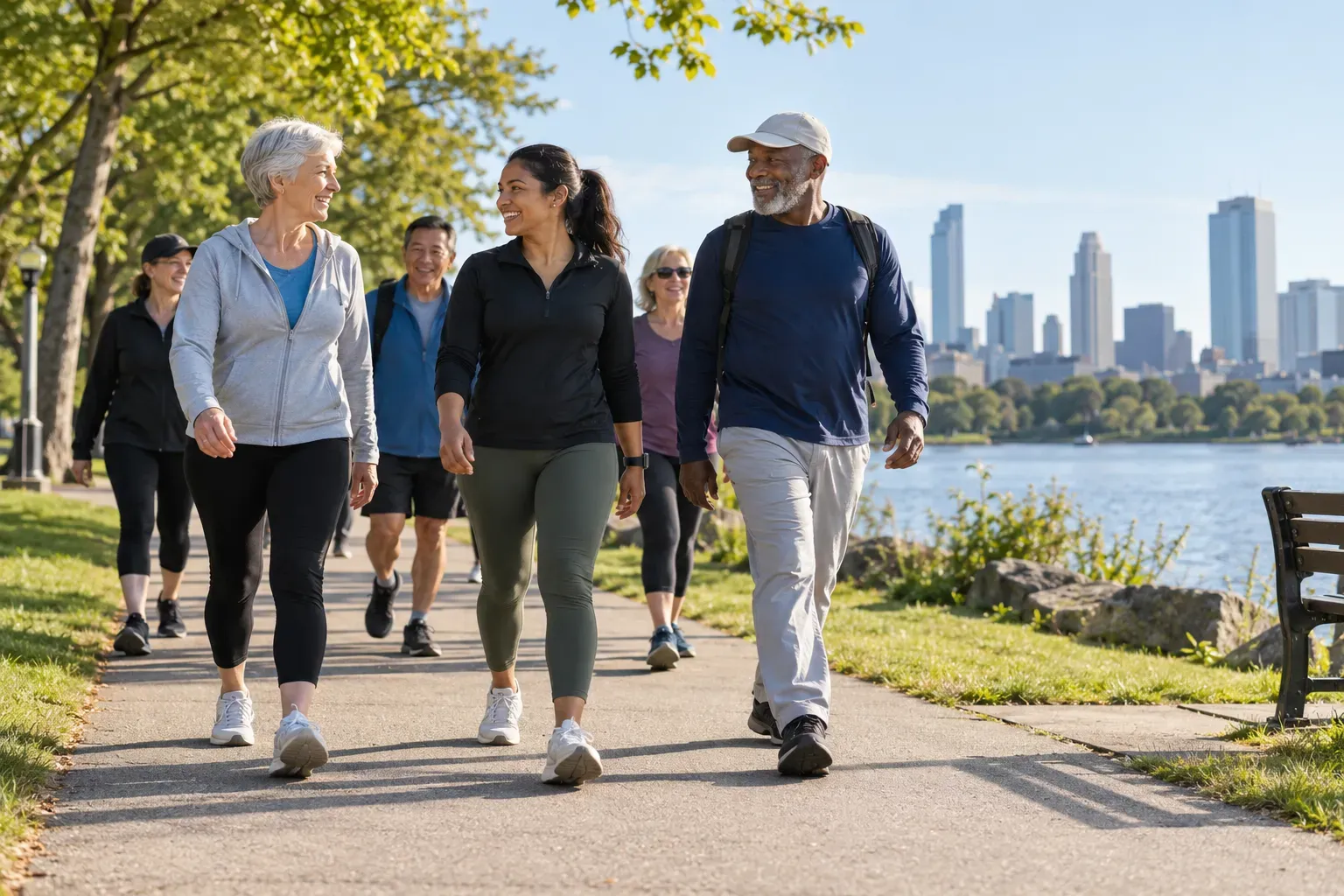
The release invited people to walk with friends, family or coworkers and to share on social media. I prefer walking alone or with my neighbor Marlys. I want the public message to leave those preferences open. I don’t want the social aspect of participation to feel like it’s a requirement to take part in the day’s activities.
This is a concern regarding the tone of the invitation to National Walking Day that I want to develop further. It is not an accusation that the association required a group. An invitation to bring company to National Walking Day can still be a positive invitation. I want readers to feel they can take part without bringing company.
Someone can enjoy walking without becoming publicly enthusiastic on schedule. I am much braver on paper than in person and I do not have to make up any stories about difficult encounters to explain this. An invitation to walk would be useful if it allowed someone to start to walk on their own terms.
The release includes seated movement or other suitable activities if walking is not accessible. I am glad those options are there. I would include them in a short summary of the message.
I am not the person to tell another reader which activity fits their health. Talk to your doctor about your own situation. I take my medications and see my cardiologist. A public awareness day should not blur the difference between encouragement and individual advice.
For me, the most promising part of a named day is the attention it can bring to an ordinary act. It can give someone a reason to think about movement without waiting for an ambitious plan. I would rather the attention make starting feel possible than make the day itself another event someone worries they have already missed.
April 1 is past now. I am interested in the invitation as an example of how we speak to beginners.
I keep a paper notebook of my walks. I like having a record I can look at without deciding how to present it to anybody. That habit makes me think the meaning of participation should stay with the participant.
I would like the organizers of a campaign such as National Walking Day to describe the quiet options for participation as clearly as they do the more social options. That is a suggestion about welcome, not a claim about what happened at any particular event. I have no attendance report to judge.
Being out of work has changed the shape of my weekdays. I do not have coworkers waiting to join a walking break. This doesn’t mean that the message of the campaign is irrelevant to me. Rather, what I am interested in is the ways in which a public awareness campaign can name several different ways of participating in physical activity and acknowledge the different ways in which people live their lives.
I want an invitation that respects an unremarkable effort. No dramatic account is required. A person can begin, find it awkward and still have done something they chose for themselves. I want no promise about what their body must do next or how quickly it should change.
My comments on this point are based on the association’s emphasis on different abilities and schedules for physical activity. I support that emphasis. I would preserve the alternatives in a short summary, keep the social options optional and avoid turning the date into a test of commitment.
I want more invitations that a beginner can accept in an ordinary way. Keep room for different forms of movement and for quiet participation. I would be glad to see a public walking day remembered for making someone feel included, without inventing a story that it did.

Comments